
Three Steps to Clean Eating
This is the time of year when you hear people saying “I’m eating clean.” What does that mean exactly?
You’ll hear answers like “I’m not eating bread.” or “I’m not drinking alcohol this month.”
Those changes can certainly help to clear out the clutter, but the actual answer is a bit longer. It’s not complicated. But it’s more than what you’re NOT doing. It’s more about what you are doing. So, if you’ve set your mind to “eat clean” this week, this month or this year, I hope you are first and foremost focused on eating and enjoying real food.
People who love to eat are the best people.
Julia Child
Defining Real Food
Eating real food is not a punishment, it’s essential to our physical and mental health. Real food (when prepared properly) will have the most delicious flavor, give you the most nutrients and leave you feeling the most satisfied.
Eating real food means that you are shopping the perimeter of the grocery store and you can name all the ingredients that go into your body, in this order:
Protein. A mix of animal- and plant-based protein is most widely acknowledged among nutritionists and doctors as the best way to get protein. This includes chicken, lean beef, fish, beans, nuts and seeds. We digest protein more slowly than carbohydrates (everything else on this list) so it helps us to feel full longer, while it’s carrying nutrients throughout our body including our skin, hair and muscles.
Vegetables. You will get the most nutritional benefits from a mix of raw and cooked (steamed, roasted or grilled) vegetables. Not fried. And not out of a can. Vegetables come with a range of nutrients, antioxidants and fiber. All good things. Go for a variety of color with your vegetables and you know you’re getting a range of benefits. You’ve heard the term “eat the rainbow.” But like actual naturally occurring colors, not artificially colored little candies that shall not be named.
Fruit. Whole fruits, fresh or frozen, will also provide a range of nutrients, antioxidants and fiber. The fiber in real fruit helps to slow down your body’s absorption of the sugar.
Do you see the theme? Mix. Range. Variety. Color.
One last thing:
Whole grains. Yes! Your body and brain need whole grains for energy.
Another theme here is fiber. Fiber – which is found in vegetables, fruit and whole grains – helps your body to actually absorb those nutrients and helps you feel full longer so that (if you are listening to your body) you will not overeat.
There’s a reason why the Mediterranean diet is consistently ranked among “best diets.” It’s based on eating real foods, including the list above. This is not a “I’m doing this for 30 days to punish myself diet,” it’s a way of life. And the research shows, it’s a long-lasting way of life.

Dr. Robert Lustig, Professor and neuroendocrinologist, has written several books and given numerous lectures on the topic. He provides this definition for real food:
“Real food is whole food with a minimum of ingredients and no “food-like” additives. It is mostly unprocessed, free of non-food substances, and rich in nutrients and fiber.”
Dr. Robert Lustig
Reading Labels
Actually, Dr. Lustig wants you to buy food without labels. But, most of us don’t have time to make our own pasta, so let’s be real. When you buy food with a label, read it. No, really. Can you read it? You can pronounce all of the words under the ingredient list? You know what they are?
The actual point of food is nourishment. So, eating food that provides real nourishment because those nutrients are found in that food (not fortified) will provide the nourishment your body needs.
If you’re focused on eating real food, you’re winning. Do you have to be perfect every day? No. But if you follow the above 80% of the time, you’re doing great.
Food is the best medicine and every time you eat it’s a chance to heal and energize your body.
Nourish Cafe & Market, Columbia, MO
We can talk about proportions and timing and certain nutrients for certain age groups and all of those things. But, before we start getting too complicated, start with real food.
Eat real food. It tastes better. And it feels better.
What’s a No No?
I would really much rather talk about all the good things you do get to enjoy. But, if we’re talking about eating clean, we have to talk about what is not considered “clean.”
And that answer is simple: food (and drink) that does not serve you.
Sugar – Refined sugar. Don’t tell me you can’t have a banana or an orange because it has too much sugar in it. It’s real food, you can eat it! Refined sugars like white sugar, corn syrup and oh my heavens, artificial sweeteners are on the naughty list because they have no nutritional benefit.
Fried foods – Although widely acknowledged that they are delicious, fried foods are high in trans fat (of all the fats, that’s the one you don’t want). A high consumption of trans fats can lead to an increase in cardiovascular events and heart disease. And that hardly ever has a happy ending.
Caffeine and Alcohol – There are so many different studies on both sides for these two. The one thing that is consistent is that consumption should be limited.
I know it feels like they’re serving you because they taste delicious, but if you really listen to your body, it’s probably telling you something else. If you think there’s something that is causing you issues (dairy, wheat and nuts are the most likely to cause adverse effects in the body), try cutting it out and notice if you feel a change.
If you have a specific health condition or concern, then your list will vary. Follow the recommendations from your doctor or nutritionist.
A Plan for Clean Eating
If you are thinking about “eating clean” or you are “clean eating curious” as the kids say, then you have three things to do:
- Focus on real food.
Depending on where you are on your journey, this could be:
* Picking one meal this week to change. Replace your highly processed pre-packaged whatever with real food. One meal. For one week.
* Making dinner at home. Check out my pinterest page featuring some of my favorite real food recipes.
* Following a meal plan. Sounds intense, but if following a plan helps you, then go for it! I will say that Clean Eating Magazine has some good ones.
- Decide what you won’t eat (or drink).
* If banning all four items on my “no no” list is too much for you, pick one thing to cut out for 10 days and see how you feel.
- Set yourself up for success.
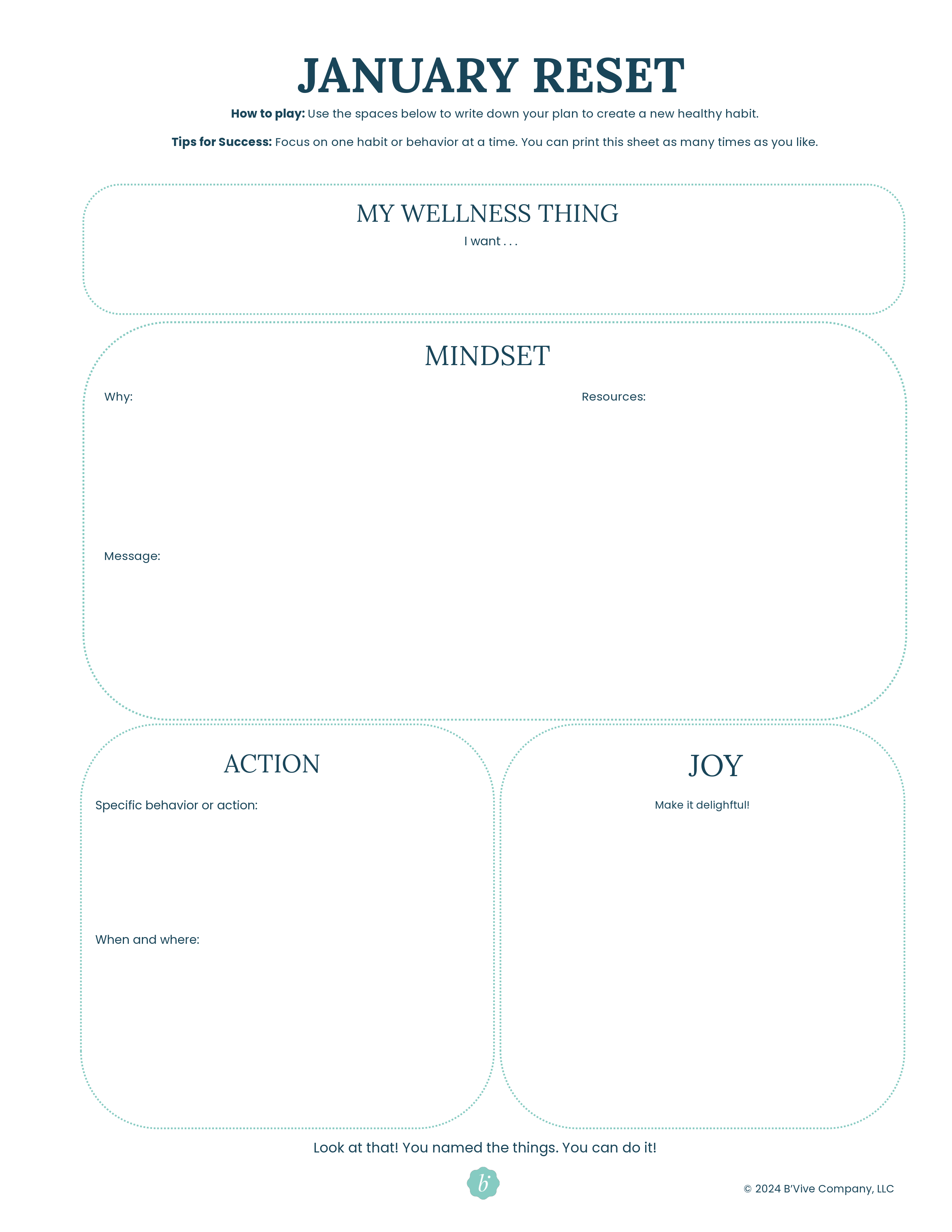
* Changing your eating habits, whether it’s one meal or an entire meal plan, is a massive behavior change. Read my article Making Great Plans for a Happy New Year and use the January Reset worksheet to make plans for this behavior change.
In the end, I just want to say, please eat real food.
Be well.

Margaret Faintich is on a mission to help us all live in a world where taking care of our health and wellness is the norm. Where we can eat nutritious and delicious food every day because they are the same and that’s just how we live.
She shares inspiration and guidance through the lens of mind, body and spirit.
Margaret Faintich is the founder of B’Vive Co. and a Nutritious Life Master Certified Nutrition and Wellness Coach.
She is a yoga lover and OrangeTheory Fitness enthusiast.
Leave a Reply